Your account has an Amazon One Medical Membership

On-Demand Care for this condition is included with membership

With your membership you can:

Get 24/7 On-Demand Care
Convenient prescription refill and renewal requests
View a summary and action items after your treatment, and directly message your care team
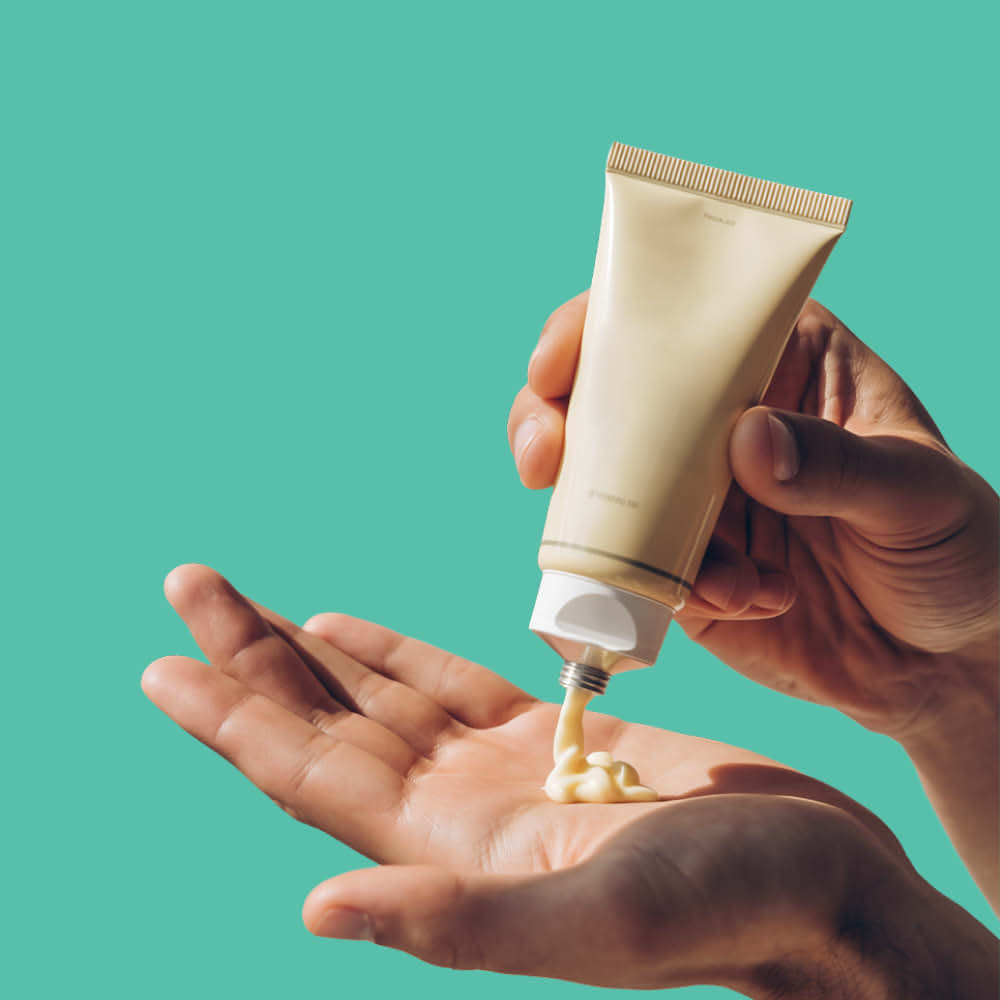
Male hands dispense premature ejaculation cream on teal background

Premature ejaculation treatment

Share your symptoms with Health AI and get treatment from a provider if appropriate.

How it works

Check-in with Health AI
Complete a check-in with the help of Health AI.
Discuss with a provider
Review your health concern or treatment request with a One Medical provider via message.
Get treatment
Receive your care plan. If appropriate, prescriptions are sent to your pharmacy and, if you use Amazon Pharmacy, delivered to your door (if eligible).
Smiling One Medical provider delivers telehealth care

Common treatments for premature ejaculation

Your Amazon One Medical provider will determine which (if any) sexual health treatment is medically appropriate for you based on your symptoms and health history. If you're prescribed medication, your provider will send the prescription to your preferred pharmacy. Choose Amazon Pharmacy for free delivery and transparent Prime pricing. The cost of your prescribed medication is not included with the treatment cost and may be covered by health insurance.
Topical icon

Topical anesthetics

These numbing creams and ointments can make the penis less sensitive.
• Lidocaine-prilocaine (Lidopril)
Male healthcare provider with bald head speaks to young male patient in clinical exam room about premature ejaculation symptoms

What’s the difference between premature ejaculation and ED?

Erectile dysfunction (ED) is characterized by issues with getting or maintaining an erection, while premature ejaculation is characterized by ejaculating too quickly (typically in under 2 to 3 minutes) during most or all sexual penetration.

What causes premature ejaculation?

There are two kinds of premature ejaculation: 1) lifelong, when you've experienced symptoms since your sexual debut, and 2) acquired, when something has caused a change in your sexual function.
Many factors can cause changes in sexual function, including the following:
• Aging
• Psychological or relationship issues
• Underlying health issues
An Amazon One Medical provider can help you determine what's going on, and why.

Frequently asked questions

How do doctors define premature ejaculation?
Doctors and other experts define premature ejaculation as ejaculating too quickly during most or all sexual penetration. What’s too quickly? It's often defined as less than 2 to 3 minutes into a sexual experience, but it can be longer, depending on how much control you feel when you climax.
Premature ejaculation is also characterized by negative personal consequences. In some cultures, early ejaculation can be a sign of masculinity, so it's not considered a problem. But if you feel distressed, worried, or annoyed by the speed of your climax, or if your relationship is suffering because of it, an Amazon One Medical provider might be able to help.
How common is premature ejaculation?
Sexual health experts estimate that premature ejaculation affects up to 70% of men in the U.S. at some point in their lives.
What are some effective strategies for delaying ejaculation?
• Focusing more on your partner
• Mental distraction
• Thicker condoms
• Pelvic floor exercises (Kegels) to strengthen muscles
• Squeeze technique, when you put pressure on the tip of the penis
• Stop-start method, when you repeatedly pause intercourse just before orgasm
Clinical sources
1. Raveendran, A. V., & Agarwal, A. (2021). Premature ejaculation - current concepts in the management: A narrative review. International journal of reproductive biomedicine, 19(1), 5–22.
2. Sathianathen, N. J., Hwang, E. C., Mian, R., Bodie, J. A., Soubra, A., Lyon, J. A., Sultan, S., & Dahm, P. (2021). Selective serotonin re-uptake inhibitors for premature ejaculation in adult men. The Cochrane database of systematic reviews, 3(3), CD012799.