Your account has an Amazon One Medical Membership

On-Demand Care for this condition is included with membership

With your membership you can:

Get 24/7 On-Demand Care
Convenient prescription refill and renewal requests
View a summary and action items after your treatment, and directly message your care team
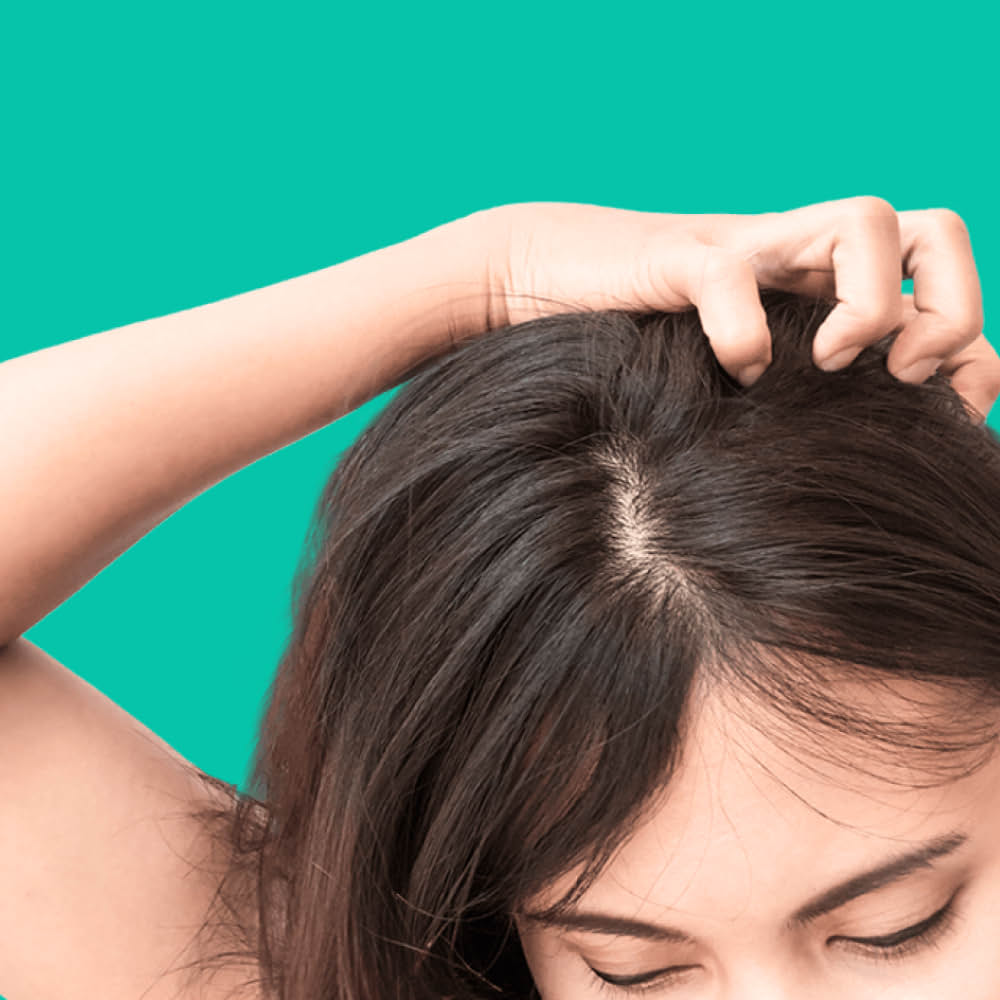
Girl with lice symptoms scratches head to get rid of lice and eggs

Head lice treatment

Share your symptoms with Health AI and get treatment from a provider if appropriate.

How it works

Check-in with Health AI
Complete a check-in with the help of Health AI.
Discuss with a provider
Review your health concern or treatment request with a One Medical provider via message.
Get treatment
Receive your care plan. If appropriate, prescriptions are sent to your pharmacy and, if you use Amazon Pharmacy, delivered to your door (if eligible).
Smiling One Medical provider delivers telehealth care

Common head lice treatments

Your or your child's Amazon One Medical provider will determine which (if any) head lice treatment is medically appropriate based on symptoms and health history. If you're prescribed medication, your provider will send the prescription to your preferred pharmacy. Choose Amazon Pharmacy for free delivery and transparent Prime pricing. The cost of any prescribed medication is not included with the treatment cost and may be covered by health insurance.
Shampoo bottle icon

Permethrin and pyrethrins

Kill lice in two applications
• Permethrin 1% lotion (Nix)
• Pyrethrins + piperonyl butoxide shampoo (RID Lice Killing Shampoo)
Topical icon

Antiparasitics

Kill eggs and lice in one application
• Ivermectin 0.5% lotion (Sklice)
Red-headed child with head lice symptoms embraces her mother

Can I get head lice treatment for a child through On-Demand Care?

Yes, if you are a parent or legal guardian who can manage care for the child. Your child must be between ages 2 and 11 years old.
Head lice are highly contagious, especially in schools where children may be in close contact with each other. Prompt treatment is important to reduce the severity and spread of head lice.
Mom does online lice treatment visit for her child with head lice symptoms on her mobile phone

What are head lice?

Head lice (pediculosis capitis) are parasitic insects that feed on blood from the human scalp. The adult louse lays eggs (nits) along the hair shaft, within an inch of the scalp. These nits are sticky and hard to get rid of. After they hatch, they grow into adult lice and lay their own eggs (up to 10 per day) in a lifecycle that lasts about a month altogether.
Lice survive by feeding on small amounts of blood. This can cause itching in the area where they live. Lice spread mainly through direct contact with someone who has them. They can also spread, though less often, by sharing items like hats, combs, or towels. Many people find it helpful to know that lice do not spread diseases.

How do you get rid of hair lice?

Head lice can be killed in a number of different ways:
• Medication
• Manual removal with a lice comb
• Home remedies and alternative treatments (not FDA-approved)
• Professional lice removal with a heated-air device
Because head lice are stubborn and occasionally resistant to treatment, you may need to try multiple methods, or a combination of methods, before you get rid of lice for good.
Head lice treatment is generally the same for adults and children. If you use over-the-counter medication, it’s important to ensure the medication is approved for children and to follow the child-specific dosing instructions on the package.

Frequently asked questions

About head lice & lice treatment

How do lice spread?
Head lice usually spread by prolonged head to head contact, like when people sleep next to each other. Lice can't jump from person to person - they can only crawl.
Less commonly, head lice may spread in indirect ways, like by sharing hats or hairbrushes.
A louse cannot survive off the scalp for more than 48 hours, and nits can't hatch at a temperature lower than they find on the scalp.
How do I stop lice from spreading?
If you find lice on someone in your household, experts recommend that everyone in the household should be checked thoroughly for lice. In addition, anyone who shares a bed with someone with lice can be treated, even if lice aren't found on their head.
You should wash and dry any linens or other items (like stuffed animals and blankets) that have come into contact with the person's head within 2 days before lice treatment. Drying is the critical part: lice and nits die after 5 minutes in a hot (130°F+) dryer. Anything that can't be washed or dried can be sealed in plastic bags for 2 weeks.
Hairbrushes should be soaked in hot water for 10 minutes.
If applicable, you can vacuum your furniture, rugs, and car, but you don't need to treat household surfaces with any special disinfectant sprays.
Can I get rid of lice naturally?
If you don't want to use a pediculicide treatment like Nix to kill lice, there are alternative treatments and lice removal methods you can try:
• Manually combing out lice and nits using the "wet comb method" (see FAQ)
• Paying a professional lice remover to treat lice with a heated-air device (AirAllé)
Treating hair with dessicants like Vamousse; occlusive agents like mayonnaise, dimethicone lotion, or Cetaphil cleanser; or essential oils*
*These products aren't FDA-approved or recommended and their efficacy can't be guaranteed.
What's the life cycle of lice?
The full life cycle of a head louse is about 28 days:
• Louse lays an egg on the hair shaft
• Egg hatches in 6-9 days
• Hatchling (nymph) becomes adult within 7 days
• Adult lays eggs, and the cycle starts over
Can my pets get lice?
No. Head lice only spreads from human to human.
Can I get treated for pubic lice?
No. If you have pubic lice, you'll need to see a primary care provider for an in-person evaluation and additional STI screening if necessary.

About lice care for children

How can I tell if my child has head lice?
Head lice commonly make the head itch. (This is caused by the skin reacting to insect saliva.) But lice may be present for 4 to 6 weeks before the skin starts reacting, so you may not notice symptoms of lice. The best way to determine if your child has head lice is to give them a thorough check.
Sit them down in a well-lit spot and examine their hair, section by section, paying close attention to the hair roots.
You're looking for the following:
Live adult louse or lice
Adult lice are visible to the naked eye. They're about the size of a sesame seed, have 6 legs, and are tan to grayish-white in color. You can often spot them crawling near the base of the hair shaft. When exposed to light, they can move fast. An infected scalp may only have about 10 live lice on it, so it's important to check thoroughly.
Nits (lice eggs)
About the size of a pinhead, nits are firmly attached to base of hair shaft (within about a centimeter of the scalp), and often the same color as your child's hair. They may be easiest to spot at the nape of the neck or behind the ears.
Empty nits
When nits hatch, they leave white, sticky egg casings that can resemble dandruff.
Nymph(s)
Young lice that are smaller than adult lice.
What do I do if I find lice in my child's hair?
First, don't panic. Head lice infestations are extremely common and they don't have anything to do with personal hygiene or socioeconomic status. They're just a fact of life these days, especially when you have school-age children.
Treating lice successfully requires a few steps:
1. Stopping the spread
2. Killing the lice and eggs through medication and/or manual removal
3. Preventing reinfection
How do I manually remove lice from my child's hair?
To remove lice and nits from your child's hair, many healthcare providers recommend the "wet comb method." This method requires hair conditioner, a roll of paper towels, a fine-toothed lice comb (available at most pharmacies), and a trash bag. Here are the steps:
1. Seat your child in a well-lit place and get mentally prepared to stay for a while. You can treat this as parent-child bonding time, or give the child something to look at (like a book or a tablet) while you work.
2. Generously apply conditioner to your child's scalp and to the full length of their dry hair.
3. After their hair is thoroughly coated in conditioner, detangle with a brush or wide-toothed comb as necessary.
4. Divide your child's hair into sections so you can keep track of your progress. Hair clips may be helpful to divide longer hair.
5. Use your fine-toothed lice comb to carefully comb from your child's scalp to the ends of their hair, section by section.
6. After each stroke, wipe the comb on a white paper towel and check it carefully for nits or lice. You'll be able to see live lice (if any) wiggling on the paper towel. Put used paper towels into the trash bag as you go.
7. Comb each section of hair at least 5 times.
8. Wash hair normally when finished.
You'll need to repeat this method every 2 to 3 days until you don't see any lice or nits in your child's hair for at least 10 days. This is because nits can take that long to hatch.
My child’s lice head lice has not gone away. What do I do?
It’s important to know that even after the lice are gone, itching can last for a few weeks. You may also continue to see nits (lice eggs) during this time. Using a nit comb every 2–3 days for up to 3 weeks after treatment can help reduce the chance of getting lice again. You do not need to remove every single nit. Nit combs are sold at most pharmacies and are often included with lice treatment products.
You should seek help from a healthcare provider if any of the following occur:
• You can’t find any dead lice 8-12 hours after treatment
• You still see live (crawling) lice on the scalp a few days after completing treatment
• You notice new signs of lice within a month after treatment
When can my child return to school or daycare after getting treated for head lice?
It’s important to notify your child's school or daycare and follow any school policies about returning after lice treatment. Your child can usually return to school after the first treatment—they don't need to be lice-free to go back.
Do I have to be the parent or guardian of the child seeking care?
Yes. A parent or legal guardian must initiate the child's care and be present during their treatment.
What type of healthcare provider will treat my child?
Children are treated by family practice physicians or licensed family nurse practitioners (FNPs). You'll be able to see the credentials of your child's provider after they're assigned to your child's treatment.
Can I get a doctor's note for my child?
Yes. After your child completes their treatment, their One Medical provider can write excused absence notes, back-to-school notes, and no-play notes for sports or other activities if medically appropriate.
What kind of online treatments can I request for my child?
At this time, parents and legal guardians can request treatments for their children aged 2 through 11 years old for the following health conditions through Amazon One Medical On-Demand Care (formerly Pay-per-visit):
Clinical sources
1. Nolt, D., Moore, S., Yan, A. C., Melnick, L., & COMMITTEE ON INFECTIOUS DISEASES, COMMITTEE ON PRACTICE AND AMBULATORY MEDICINE, SECTION ON DERMATOLOGY (2022). Head Lice. Pediatrics, 150(4), e2022059282.